Questions?
Available via chat 9am to 6pm
Available 9am to 6pm EST via chat

Choosing between an infrared sauna and a traditional sauna is one of the most common decisions homeowners face when planning a home wellness space. Both types provide heat therapy, relaxation, and recovery benefits, but they work in very different ways. Understanding how each system produces heat, what installation requires, and how they perform over time will help you choose the right option for your home.
This guide explains the technical differences between infrared and traditional saunas, the advantages of each, and which one is better for different situations in the United States.
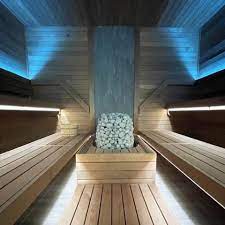
A traditional sauna uses a heater and stones to warm the air inside the sauna room. The heater is usually electric in residential installations, although wood-burning heaters are sometimes used in outdoor saunas.
The heater warms a pile of sauna stones, and water can be poured over the stones to create steam. This increases humidity and makes the heat feel stronger.
Typical traditional sauna temperature:
150°F to 195°F
Humidity level can vary depending on how much water is used.
Traditional saunas heat the entire room, not just the body. This produces the intense heat most people associate with a real sauna experience.
Modern electric heaters used in residential installations come in different power levels depending on the size of the sauna. Examples of heater sizes and configurations can be seen here:
https://avidhealthandwellness.com/collections/electric-sauna-heaters
Choosing the correct heater size is important because an undersized heater may not reach the proper temperature.
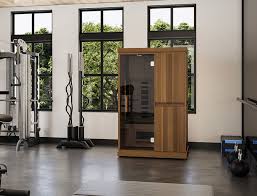
An infrared sauna does not heat the air in the same way as a traditional sauna. Instead, it uses infrared panels that produce radiant heat. This heat warms the body directly, similar to sunlight, rather than heating the entire room.
Typical infrared sauna temperature:
110°F to 140°F
Because the air temperature is lower, infrared saunas feel less intense even though the body can still sweat.
Infrared saunas usually warm up faster and use less electricity, which makes them popular for smaller homes and apartments.
Most infrared units are pre-built cabinets rather than custom rooms.
One of the biggest differences between the two types of sauna is how the heat feels.
Traditional sauna:
very hot air
strong sweating
adjustable humidity
intense heat
Infrared sauna:
lower air temperature
dry heat
gentle warming
less humidity
People who have used commercial gyms or spa saunas usually expect the traditional experience.
Infrared feels different and may not satisfy users who want high heat.
Installation requirements are very different between the two systems.
Traditional sauna installation often requires:
240V electrical circuit
proper ventilation
heater wiring
wood interior construction
insulated walls
Infrared sauna installation is usually simpler.
Many infrared models only require:
standard 120V outlet
flat floor
basic assembly
Because of this, infrared saunas are often chosen when electrical upgrades are not possible.
However, easier installation does not always mean better long-term performance.
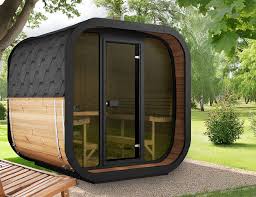
Traditional saunas can be used indoors or outdoors.
Outdoor traditional saunas are very popular in colder parts of the United States because the high heat feels stronger in cold weather.
Outdoor installations must use weather-resistant materials and properly sized heaters.
Infrared saunas are usually designed for indoor use.
Most infrared units are not built to handle rain, snow, or freezing temperatures unless they are placed inside a protected structure.
For homeowners planning a backyard sauna, traditional heaters are usually the better choice.
Outdoor-rated sauna heaters designed for different room sizes can be compared here:
https://avidhealthandwellness.com/collections/electric-sauna-heaters
This helps determine how much power is needed for outdoor use.
Infrared saunas typically use less electricity because they operate at lower temperatures.
Small infrared sauna:
120V or low-amp 240V
Traditional sauna:
usually 240V
higher amperage
However, traditional saunas heat faster once installed correctly, especially when the heater is sized properly.
Energy cost differences are usually small compared to the total cost of installation.
Choosing based only on electricity use is not recommended.
Traditional saunas usually last longer.
Electric sauna heaters can last many years if maintained correctly. Stones and heating elements may need replacement over time, but the system itself is very durable.
Infrared saunas rely on electronic panels. These can wear out faster, especially in lower-cost units.
Higher-quality infrared models last longer, but cheap models may not perform well after a few years.
For long-term installations, traditional saunas are often considered the more durable option.
Both types of sauna are used for relaxation and recovery, but the experience is different.
Traditional sauna advantages:
higher heat
strong sweating
adjustable humidity
closer to spa or gym sauna
Infrared sauna advantages:
lower temperature
easier breathing
faster warm-up
comfortable for beginners
Some people prefer infrared because the lower heat feels easier to tolerate.
Others prefer traditional because the intense heat produces a stronger sweating effect.
There is no single best choice for everyone.
Traditional saunas can be built in many sizes.
Common residential sizes:
1–2 person
3–4 person
5–6 person
large custom rooms
Infrared saunas are often sold in fixed cabinet sizes.
This makes them convenient but less flexible.
If you want a custom sauna room, traditional is usually the better option.
Infrared sauna cost:
Lower upfront cost
Minimal installation cost
Smaller units available
Traditional sauna cost:
Higher equipment cost
Electrical work required
Installation cost varies
Steam systems are another option for homeowners who want heat therapy inside a bathroom.
Examples of residential steam generators can be seen here:
https://avidhealthandwellness.com/collections/mr-steam-generator-packages
Steam showers provide a different experience than both infrared and traditional saunas, but they are often considered during the same renovation projects.
Infrared may be better if:
limited electrical capacity
small space
simple installation needed
lower heat preferred
apartment or condo use
Infrared works well when building a full sauna room is not practical.
Traditional is usually better if:
you want real sauna heat
outdoor installation planned
long lifespan important
larger sauna needed
higher temperature preferred
Most commercial saunas use traditional heaters for a reason. They produce the strongest and most consistent heat.
Both infrared and traditional saunas can work well in a home, but they are designed for different situations.
Infrared saunas are easier to install and use less power, but traditional saunas provide the classic high-heat experience and usually last longer.
The best choice depends on available space, electrical capacity, and the type of heat you prefer.
Planning the installation carefully and choosing the correct heater or generator size will make a much bigger difference than the type of sauna alone.