Questions?
Available via chat 9am to 6pm
Available 9am to 6pm EST via chat

If you’ve been searching for ways to improve recovery, reduce stress, sleep better, or simply feel healthier day-to-day, chances are you’ve come across two of the fastest-growing wellness trends: infrared saunas and cold plunge tubs.
What many people don’t realize is that these two therapies can work even better together.
From athletes and fitness enthusiasts to busy professionals looking for stress relief, more people are building home wellness spaces that combine heat therapy and cold exposure into a simple daily routine.
In this guide, we’ll explain:
Whether you’re new to wellness routines or upgrading your home setup, this article will help you understand why contrast therapy is becoming one of the most searched wellness topics today.
Contrast therapy refers to alternating between heat exposure and cold exposure.
Typically, this means:
The rapid temperature change encourages your blood vessels to expand and contract, which may help improve circulation, reduce soreness, and promote recovery.
This practice has roots in Scandinavian and Nordic wellness traditions that have existed for centuries. Today, modern infrared saunas and home cold plunge tubs make it easier than ever to enjoy these benefits without leaving your house.
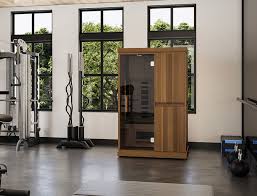
Infrared saunas differ from traditional saunas because they use infrared heat waves to warm the body directly rather than simply heating the air around you.
Many users prefer infrared saunas because the temperatures are typically more comfortable while still producing a deep sweat.
Heat helps increase circulation and relax tense muscles. Many people use infrared saunas after workouts or long workdays to ease stiffness and soreness.
Spending 20–30 minutes in a sauna can create a calming environment that helps many people relax mentally and physically.
Some sauna users report deeper and more restful sleep after consistent use, especially when sessions are done in the evening.
Heat exposure increases heart rate and blood flow, similar to mild cardiovascular exercise.
Sweating is a natural bodily function that helps regulate temperature and remove waste through the skin.
Research also suggests regular sauna use may support cardiovascular wellness and relaxation routines.
Cold plunges and ice baths have exploded in popularity over the past few years, especially among athletes and wellness enthusiasts.
A cold plunge typically involves water temperatures between 50–60°F (10–15°C), though beginners often start warmer.
Cold water immersion may help reduce inflammation and post-workout soreness.
Cold exposure stimulates adrenaline and may leave users feeling energized and focused afterward.
Many athletes use cold plunges after training to help with recovery between sessions.
Some users report improved mood, discipline, and stress tolerance through consistent cold exposure routines.
Cold water causes blood vessels to constrict, which may help create a “vascular pumping” effect when paired with heat therapy.
Studies and wellness experts continue to explore the growing interest in cold plunge therapy and athletic recovery.
Using sauna and cold plunge therapy together is often called a “contrast therapy routine.”
The idea is simple:
Many users describe the experience as energizing, calming, and mentally refreshing.
Contrast therapy has become increasingly popular among:
If you’re new to contrast therapy, simplicity is best.
Many people repeat this cycle 2–3 times depending on comfort level.
When shopping for a home sauna, consider:
Popular options include:
High-quality sauna heaters from brands like Harvia and HUUM are commonly chosen for performance and reliability.
Not all ice baths are built the same.
When comparing cold plunge tubs, look for:
Portable tubs may work for beginners, while premium cold plunge tubs offer advanced temperature control and easier long-term maintenance.
For most healthy adults, sauna and cold plunge routines can be enjoyed safely when done responsibly.
However, it’s important to:
Beginners should avoid pushing for extreme cold or excessive sauna durations right away.
One reason home saunas and cold plunge tubs are growing in popularity is convenience.
Instead of driving to a spa or gym, homeowners can create a recovery-focused wellness space right at home.
Popular additions include:
A dedicated wellness area can transform a basement, garage, backyard, or spare room into a personal recovery space.
Infrared saunas and cold plunge tubs are more than just wellness trends. For many people, they’ve become part of a healthier daily lifestyle focused on recovery, stress reduction, and overall well-being.
Whether your goal is better recovery after workouts, improved relaxation, or creating a spa-like atmosphere at home, combining heat and cold therapy may be worth exploring.
As interest in home wellness continues to grow, more homeowners are investing in high-quality saunas and cold plunge systems that support long-term health and recovery routines.
If you’re considering building your own wellness setup, choosing durable, high-quality equipment can make all the difference in both performance and long-term enjoyment.