Questions?
Available via chat 9am to 6pm
Available 9am to 6pm EST via chat

Installing a home sauna is one of the most popular wellness upgrades in the United States. Homeowners are adding saunas for relaxation, recovery, and long-term health benefits, but choosing the right sauna requires understanding several technical factors. Size, heater power, electrical requirements, materials, and installation conditions all affect performance.
This guide explains how to choose the best home sauna for a U.S. home, how different types compare, and what to consider before buying.
Why Home Saunas Are Popular in the United States
Home saunas are no longer limited to gyms or spas. Many homeowners now install saunas in basements, bathrooms, garages, or backyards.
Common reasons people install a sauna include:
Modern electric heaters and steam systems make installation easier than in the past, but choosing the wrong equipment can lead to poor heating performance, electrical problems, or expensive upgrades later.
Planning correctly at the beginning is the most important step.
Types of Home Saunas
There are three main types of saunas used in residential installations.
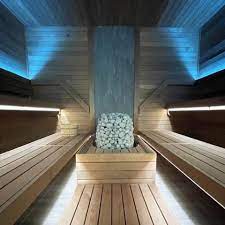
Traditional Sauna
A traditional sauna uses an electric or wood heater with stones. Water can be poured over the stones to create steam, which increases humidity and makes the heat feel stronger.
Typical temperature:
150–195°F
Advantages:
Disadvantages:
Traditional saunas are the most common choice for homeowners who want the classic sauna experience.
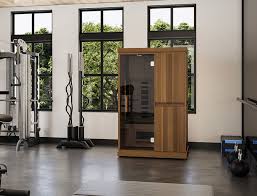
Infrared Sauna
Infrared saunas use radiant panels instead of a heater with stones. The panels warm the body directly rather than heating the air.
Typical temperature:
110–140°F
Advantages:
Disadvantages:
Infrared saunas are popular for small spaces or simple installations, but they do not produce the same heat intensity as a traditional sauna.
Steam Shower / Steam Room
A steam shower uses a steam generator instead of a sauna heater. The generator produces humid heat inside a sealed enclosure.
Typical temperature:
100–120°F with high humidity
Advantages:
Disadvantages:
Steam systems are often chosen for bathroom renovations rather than standalone sauna rooms.
Indoor vs Outdoor Saunas
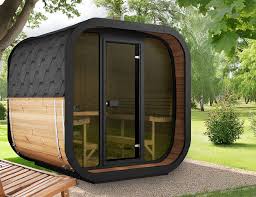
Both indoor and outdoor saunas are common in the U.S., but each has different requirements.
Indoor saunas are easier to install because they are protected from weather. They are often placed in basements, gyms, or large bathrooms.
Outdoor saunas allow larger sizes and better ventilation, but they must handle rain, snow, and temperature changes.
Outdoor installations require:
Cold climates do not prevent sauna use, but they make correct sizing more important.
Choosing the Correct Sauna Size
Sauna size is one of the most important decisions. A sauna that is too small feels cramped, but a sauna that is too large may not heat properly if the heater is undersized.
Common residential sizes:
1 person — 3×3 or 4×4
2 person — 4×4 or 5×5
3–4 person — 6×6
5–6 person — 7×7 or larger
When in doubt, choose slightly larger. Most homeowners wish they had more space after installation.
The heater must always match the room volume.
Heater Power Requirements
Electric sauna heaters are rated in kilowatts (kW). The required power depends on the cubic footage of the sauna.
General guideline:
Small sauna — 3–4.5 kW
Medium sauna — 6 kW
Large sauna — 8 kW
Extra large sauna — 9–12 kW
If the sauna has glass, stone, or tile, more power is required because these materials lose heat faster.
Undersized heaters are one of the most common problems in home installations.
Electrical Requirements in the United States
Most traditional sauna heaters require:
Some small infrared saunas use 120V, but larger units usually require 240V.
Local electrical codes may also require:
Electrical work should always be planned before purchasing the heater.
Materials Used in Quality Saunas
Good sauna construction uses wood that can handle high heat and moisture.
Common choices:
Cedar — very durable, resists moisture
Hemlock — smooth interior wood
Spruce — traditional sauna wood
Thermo wood — treated for outdoor use
Cheap materials can warp or crack over time.
Heater quality is just as important as wood quality. Reliable heaters last much longer and maintain stable temperature.
Homeowners looking for different heater sizes and configurations should compare models designed for residential use, such as the options available at
https://avidhealthandwellness.com/collections/electric-sauna-heaters
to see how heater power changes with room size.
Ventilation and Safety
A sauna must have proper airflow.
Typical setup:
This keeps heat even and prevents overheating.
Safety features to look for:
Avoid heaters without certification.
Installation Planning Tips
Before buying a sauna, check:
Planning ahead prevents expensive changes later.
If installing a steam shower instead of a sauna, the generator must also be sized correctly.
Examples of residential generators can be seen here:
https://avidhealthandwellness.com/collections/delta-residential-steam-generator-packages
Cost of a Home Sauna
Typical price ranges in the U.S.:
Small sauna — $2,000–$5,000
Medium sauna — $5,000–$10,000
Large sauna — $10,000–$20,000+
Steam system — varies depending on generator size
Installation, electrical work, and materials can add to the total cost.
Buying the correct equipment the first time usually saves money long term.
Final Advice
The best home sauna is not simply the most expensive model.
It is the one that is correctly sized, safely installed, and built with reliable components.
Homeowners who plan carefully usually get better performance, longer equipment life, and a more comfortable sauna experience.
A well-installed home sauna can last for decades and is one of the most durable wellness upgrades you can add to a home.